
When Bureaucracy Becomes the Bottleneck (And When it Doesn’t)
For years, one of the quiet frustrations in medicine has been this:
Science can be sound, even world-class, and still arrive too late to help patients.
That tension is not abstract. My own work, leading the Primary Ovarian Insufficiency research team at the National Institutes of Health – Intramural Research Program (NIH-IRP), received international peer recognition. This included recognition from The New England Journal of Medicine, which affirmed its scientific validity and clinical importance. Yet inside an extensive intramural research system, it also became clear how structurally difficult it can be for transformative, cross-disciplinary ideas to move from evidence to implementation. When bureaucracy becomes the bottleneck, scientific validation alone is insufficient to produce impact.
That experience reshaped my focus—from discovery alone to delivery, readiness, and platform-level solutions designed for real-world use by patients, clinicians, and investigators. It is also why recent news from the National Institutes of Health deserves attention.
NIH Cuts Through a Bottleneck
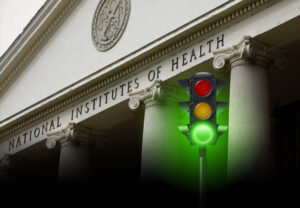
In 2025, NIH implemented a significant change to its Public Access Policy: eliminating the publication embargo for NIH-funded research. Under the new zero-embargo policy, peer-reviewed manuscripts must now be made publicly available immediately upon publication, rather than being delayed for months. This change may sound technical, but its implications are practical and profound.
Why This Matters for Clinicians and Patients
For patients, it means waiting—sometimes unnecessarily—for information that already exists.
For clinicians, delayed access to evidence means delayed confidence in care decisions.
For investigators, it means delays in planning follow-up studies.
By removing the embargo, NIH is signaling a vital point: timeliness matters. Taxpayer-funded research should not be held back by procedural delays when it can inform care, guide decision-making, and improve outcomes now.
This is also a clear example of responsible stewardship. Faster access increases the return on investment in publicly funded research by allowing evidence to be used sooner, more broadly, and more effectively—without additional spending.
A Sign of a New Direction
The zero-embargo policy does not eliminate all friction in the research ecosystem, and it introduces new operational considerations. But it represents something more important: a willingness to recognize when bureaucracy itself has become the limiting factor—and to act.
That is a meaningful shift.
At My28Days, we believe preparedness depends on timely, trustworthy information reaching the people who need it—patients, clinicians, and investigators alike. NIH’s move to cut through this particular bottleneck is a positive signal that large institutions can adapt when the goal is clear: turning validated science into usable health capability.
In that sense, this policy is more than an administrative update. It is evidence that NIH is turning over a new leaf, acknowledging that readiness and delivery are as essential as discovery itself.
And that is a development worth noting.
Read the ECOG-ACRIN article:
My28Days.org is an educational and advocacy platform supported by the Mary Elizabeth Conover Foundation. For more information or to lend support, contact Office@ConoverFoundation.org


